

Tel: +86-0755-29898410
+86-0755-29898460
Email: fiona@xaori.net
Add: Kunhong Building, No. 38, Xinhe Avenue, Xinqiao Community, Shajing Street, Baoan District, Shenzhen, Guangdong, China
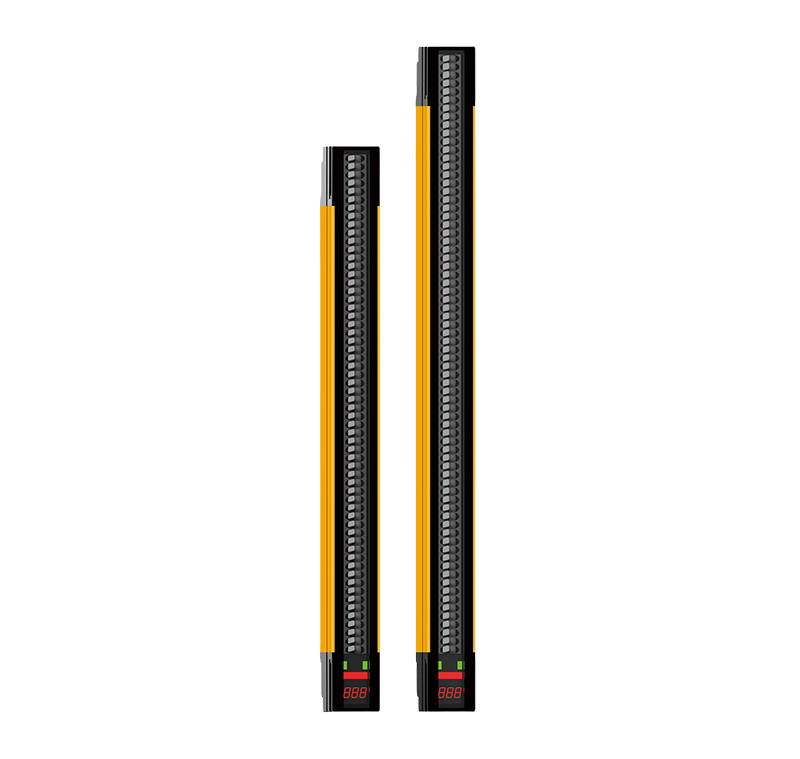
◆Three scanning modes: direct scan, single side scan, double side scan
◆Up to 20 measurement modes:
FBB, LBB, TBB, MBB, FBM, LBM, TBM, OD, ID, CBB, CBM, CFBB, CLBB, O1FBB, O1LBB, O2FBB, O2LBB, O3FBB, O3LBB, TRN
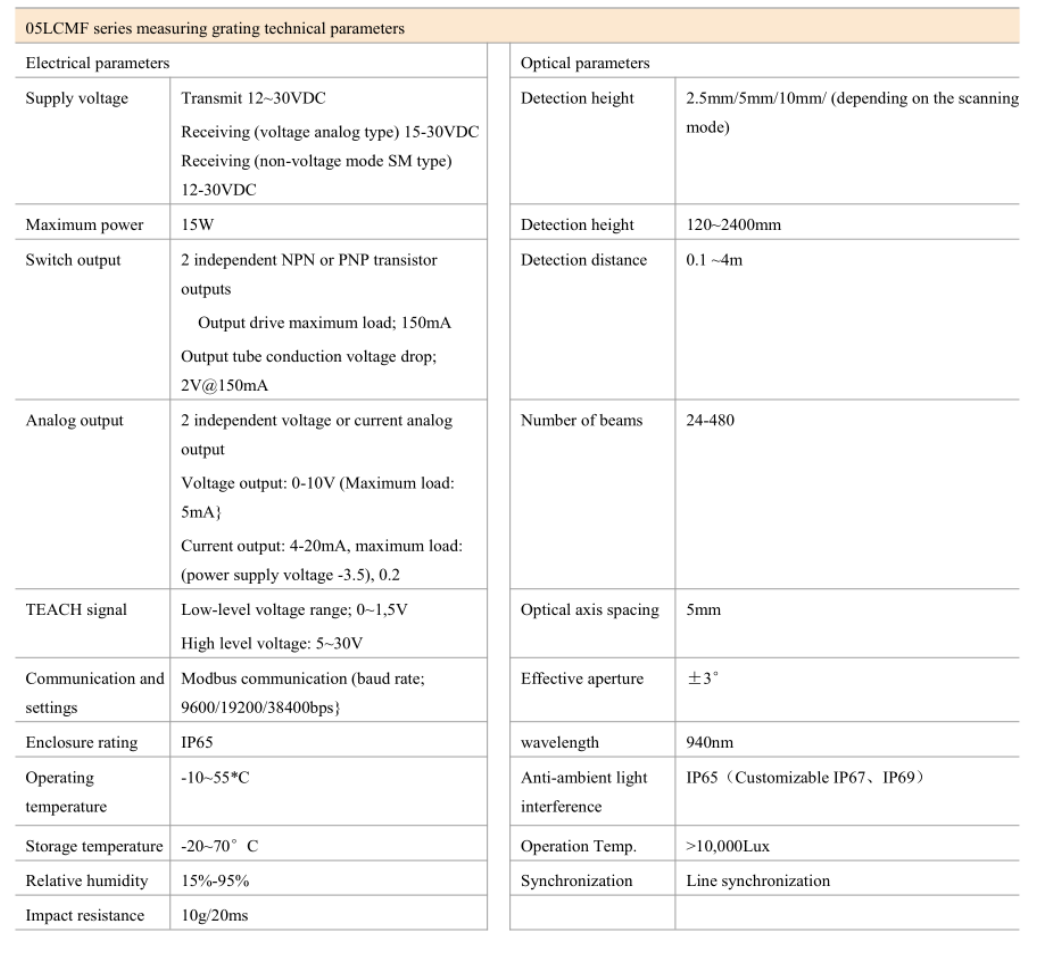
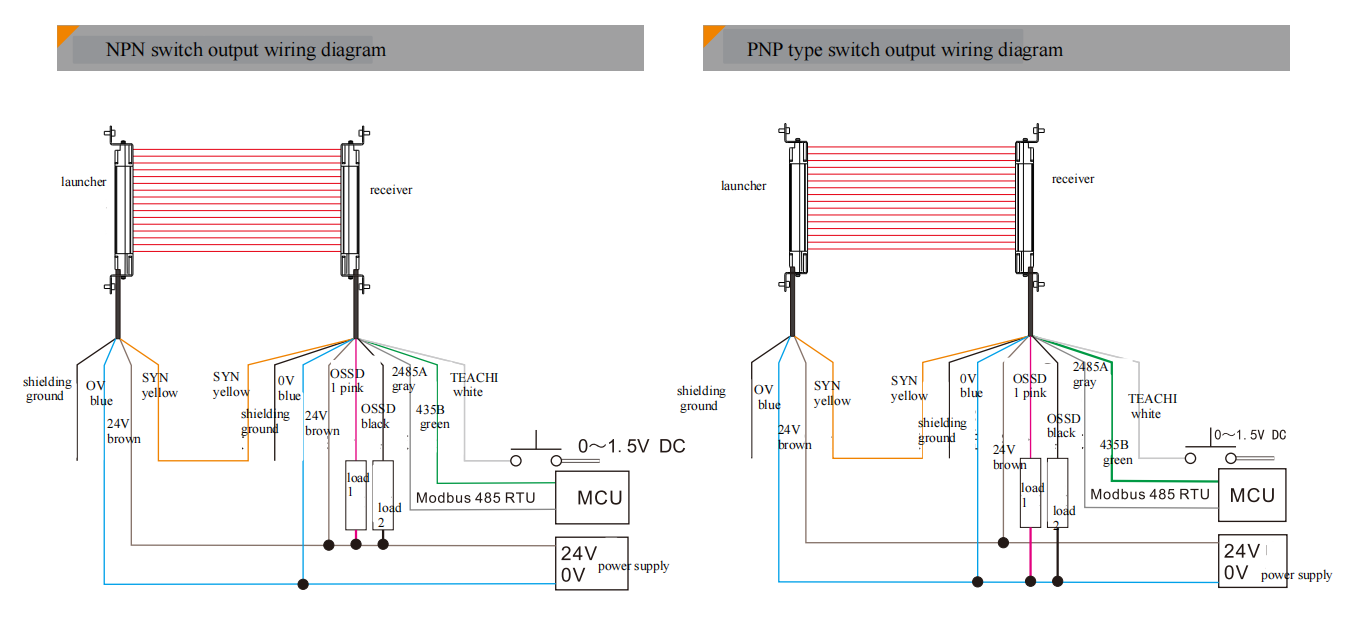
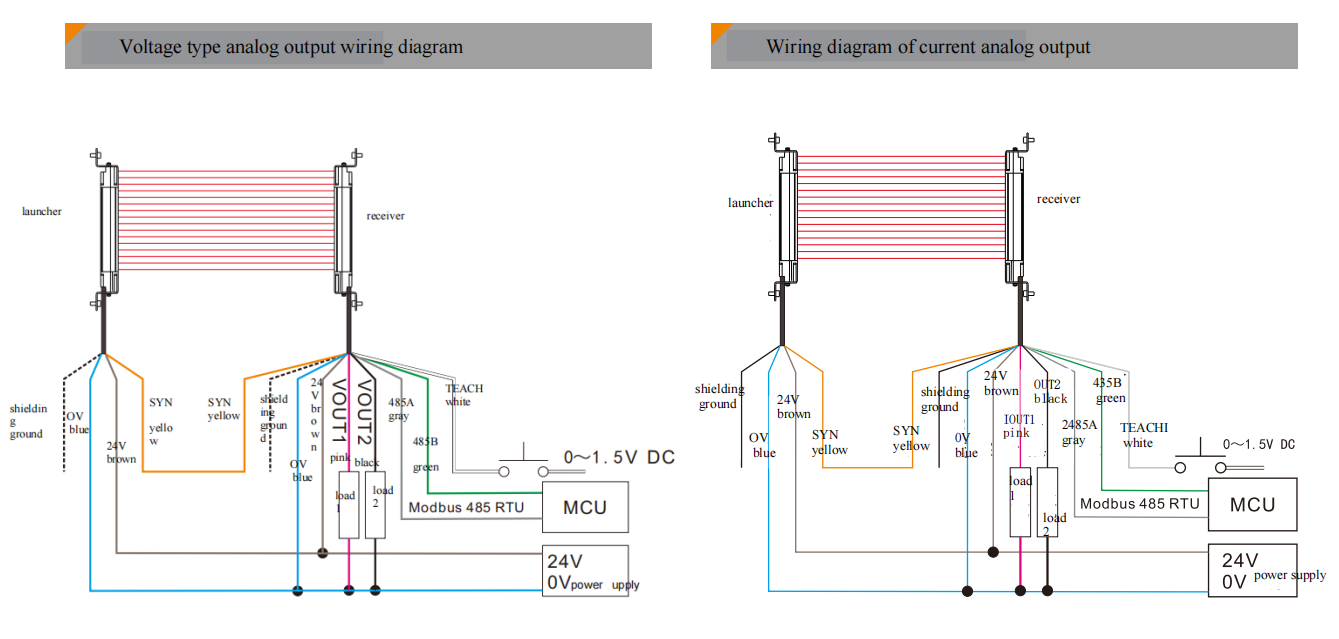
◆Three output modes: 2-way independent level output, 2-way independent analog output, standard Modbus 485-RTU serial output
◆5mm minimum detection target or 2.5mm edge resolution, depending on the scanning method
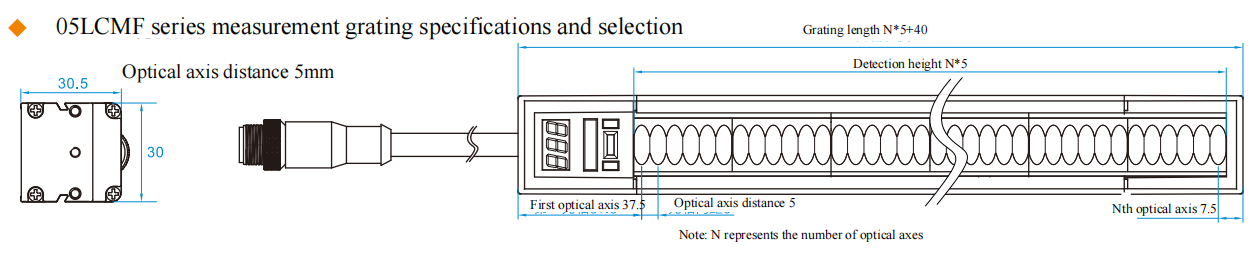
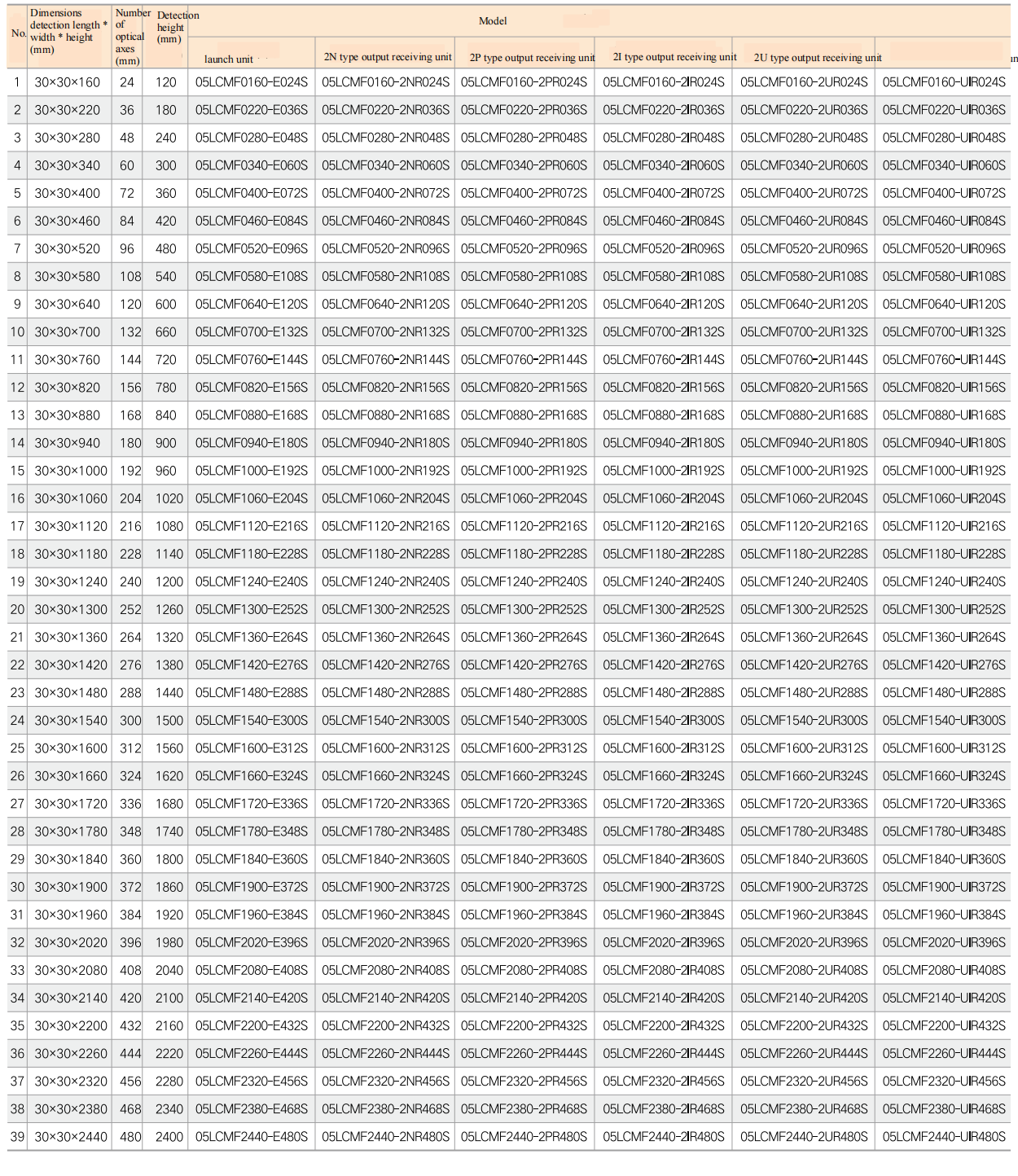
◆The distance to light ranges from 400mm to 4000mm, and the beam interval is 5mm
◆Supplied with PC-side host computer software, which can perform advanced configuration and work monitoring on the grating
◆Supplied with the Android system APP, the grating can be configured through wireless infrared communication A remote configuration line is used to configure some simple functions: scanning mode, shielding setting, alignment calibration, gain setting, digital tube display direction, infrared communication on/off
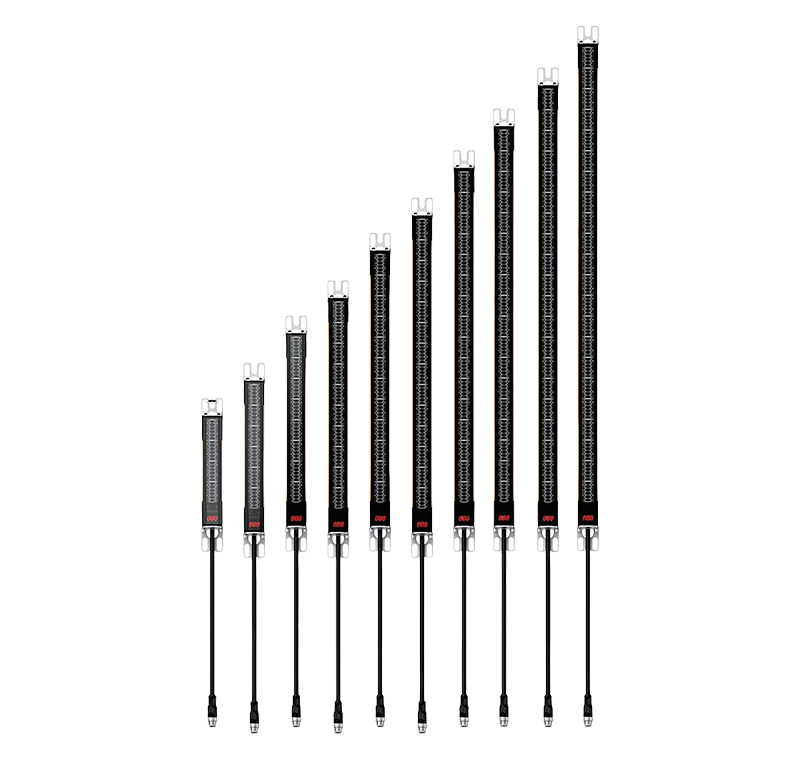
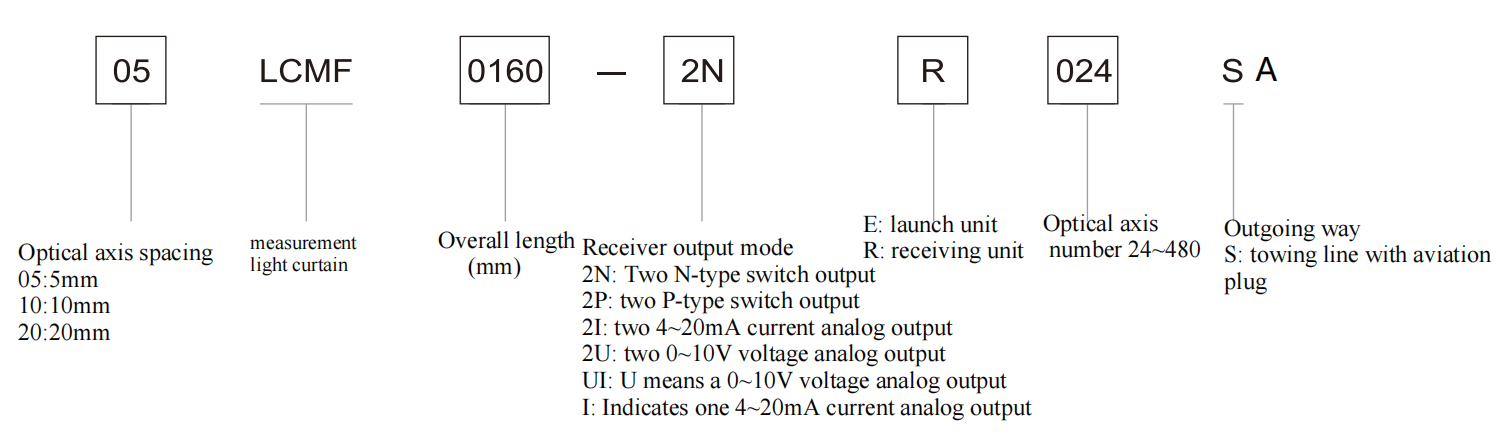
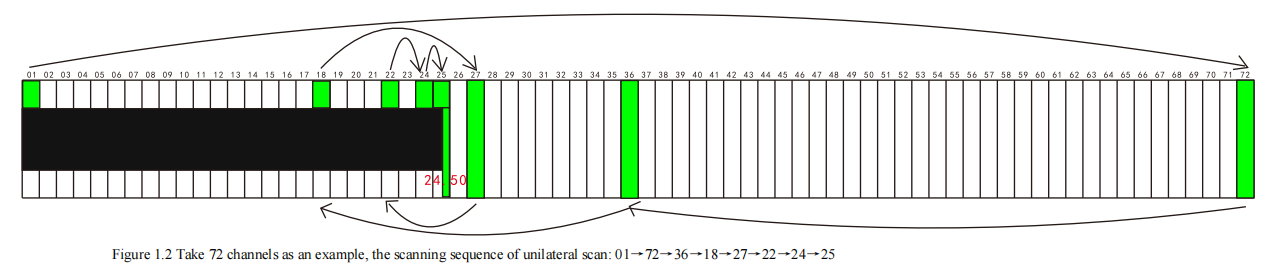
Single-side scanning can only be used for single, continuous, object detection that can block the first beam channel. Because the grating only scans other channels when the first beam channel is blocked. For discontinuous objects, the scan result is invalid.
Single-side scanning is fixed to work in high gain mode. Setting low gain has no effect on it. The minimum detection object size for single-side scanning is 10 mm, and the edge resolution is 2.5 mm.
Bilateral scan
Bilateral scanning is used to detect the two edges of the object. For example, to determine the size of the box width. When selecting bilateral scan, you need to determine a step: 1, 2, 4, 8, 16 or 32. The raster will skip some beams and scan according to the step size. Taking 72 channels as an example, the steps for performing bilateral scanning are shown in Figure 1.3
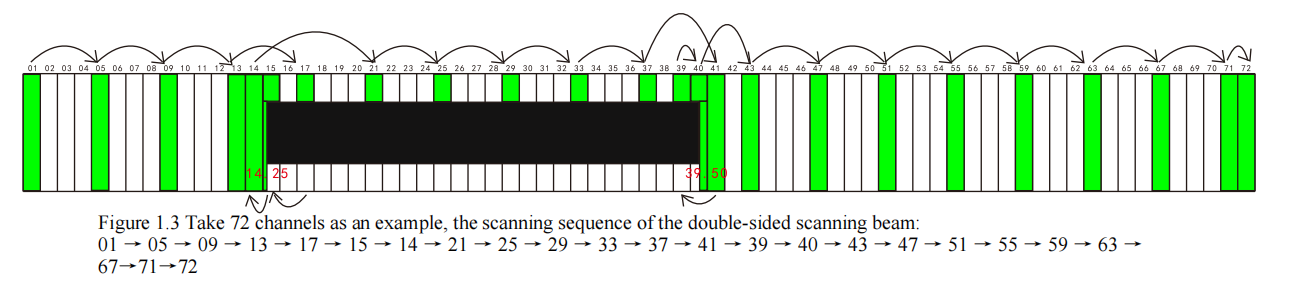
Similar to single-sided scanning, bilateral scanning also has some limitations: the detection object is a continuous opaque solid;
the minimum detection object size is larger than the double-sided scanning step.
Bilateral scanning can detect up to 3 objects.
The double-side trace is fixed to work in high gain mode. Setting low gain has no effect on it.
The minimum detection object size of bilateral scanning is related to the scanning step, and the edge resolution is 2.5 mm.
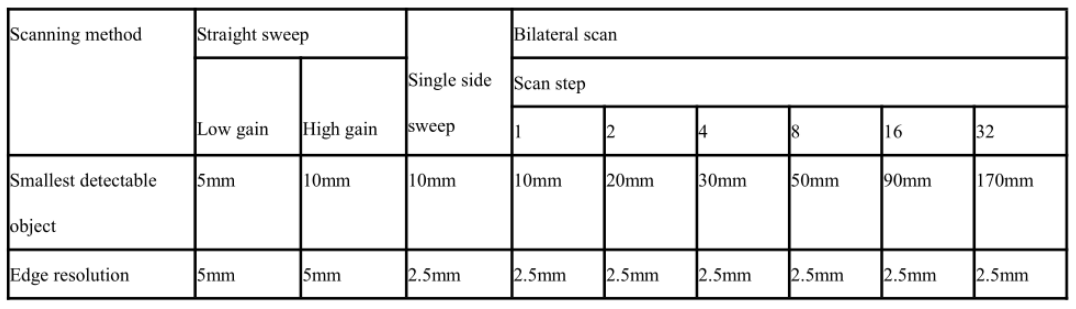
Effect of scanning method and stepping on minimum object detection size and edge resolution




 WhatsApp
 Phone
Phone E-mail
 Message