

Tel: +86-0755-29898410
+86-0755-29898460
Email: fiona@xaori.net
Add: Kunhong Building, No. 38, Xinhe Avenue, Xinqiao Community, Shajing Street, Baoan District, Shenzhen, Guangdong, China
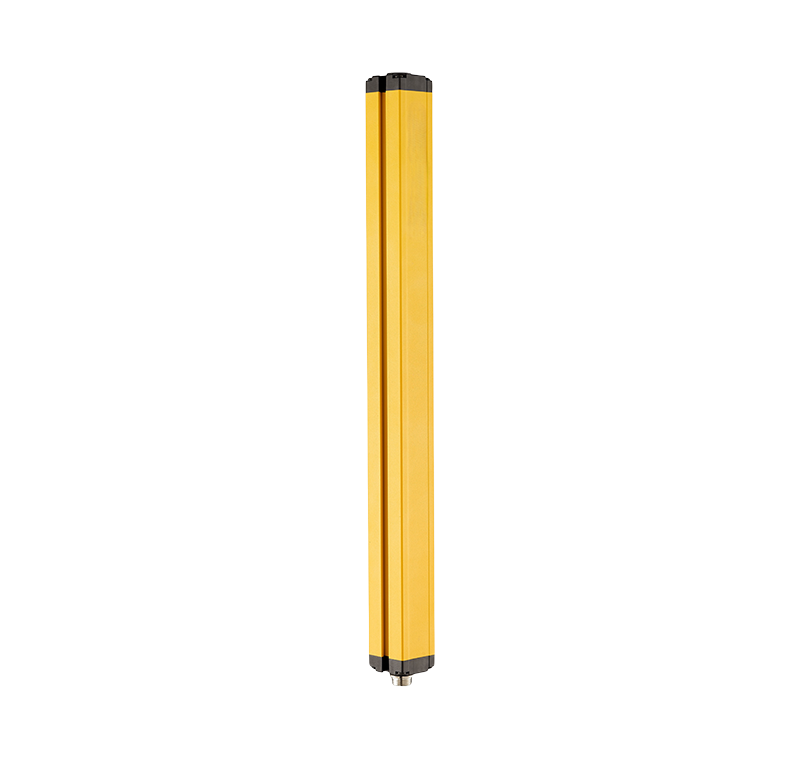
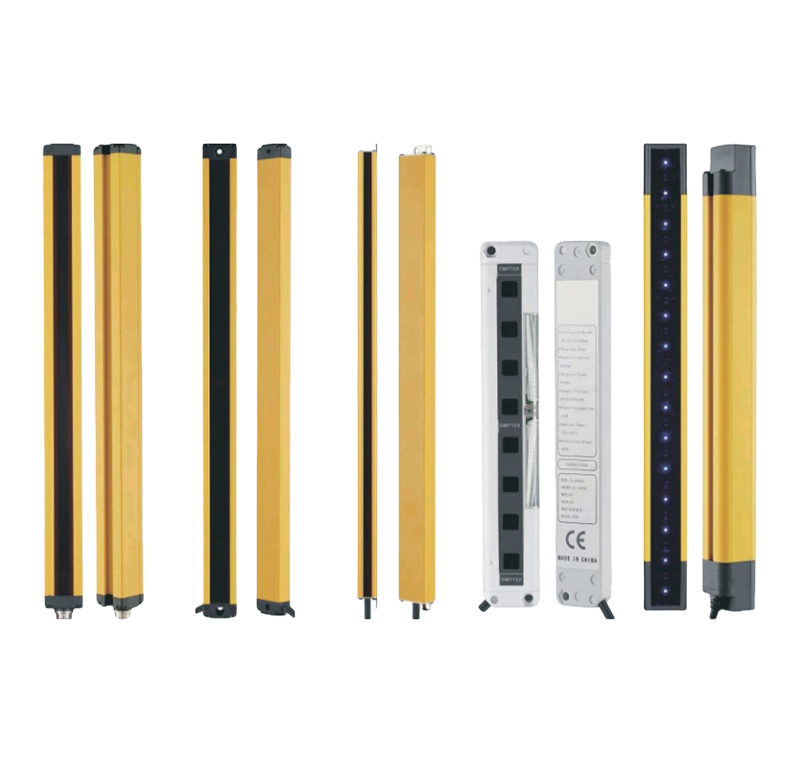
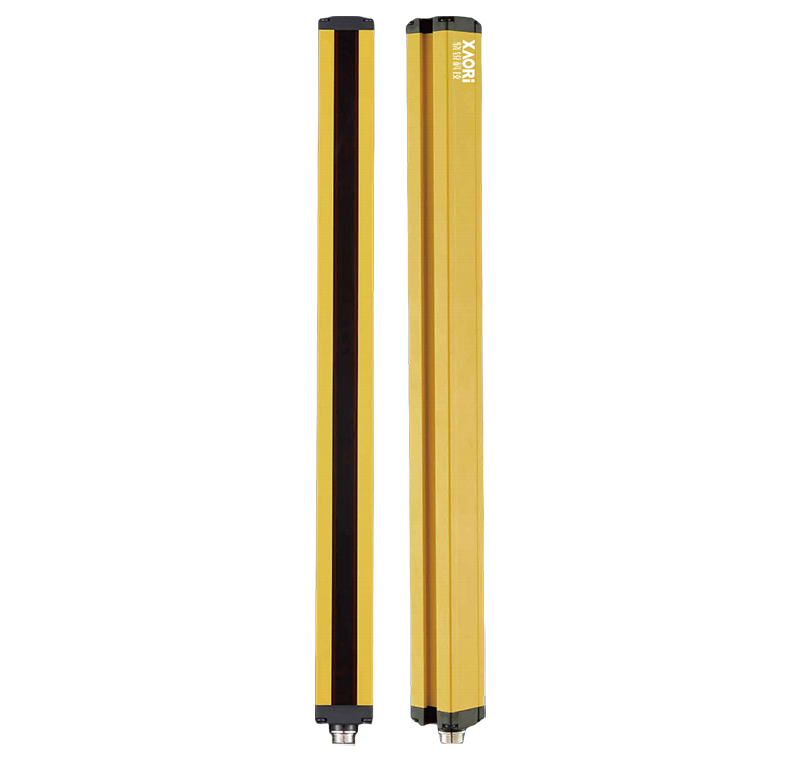
Safety light curtains utilize precision photoelectric sensor arrays to create infrared protection grids. Each unit consists of:
Emitter Module: Generates synchronized 880-940nm coded light beams
Receiver Module: Detects beam interruption patterns
Control Unit: Processes signals using SIL-3 certified logic processors
When any beam breaks (detecting object ≥14mm diameter), the system triggers emergency machine stops within <10ms - faster than human reaction time. This non-contact approach eliminates mechanical failures associated with physical barriers.
Modern safety light curtains comply with stringent requirements:
ISO 13849-1 (Performance Level e)
IEC 61496 Type 4 electromagnetic immunity
ANSI/RIA R15.06 robotic safety integration
Photoelectric sensor calibration ensures consistent beam alignment during thermal fluctuations (-30°C to +70°C), maintaining detection reliability in foundries and freezer warehouses alike.
Low Resolution (40mm spacing): Palletizer access points
Medium Resolution (20mm): Assembly line worker protection
High Resolution (14mm): Robotic surgical cell perimeter guarding
Pair with laser displacement sensors to verify curtain-to-machine distance compliance (ISO 13857 reach standards).
Direct PLC Interfaces: PROFIsafe and CIP Safety protocols
Cross-Monitoring Signals: Dual-channel OSSD outputs
HOT TOP Sensors' HT-G40 Series: Features IO-Link diagnostics for predictive maintenance
Safety light curtains coordinate with material handling systems using:
Photoelectric sensor presence detection
Color sensor identification of authorized containers
Temporarily deactivate specific zones during safe transfers
Fixed Blanking: Ignore permanent obstructions (structural beams)
Floating Blanking: Track moving machinery elements while maintaining protection
HOT TOP Sensors lead with adaptive pattern recognition that distinguishes between tools and body parts.
LED status indicator verification
Test rod validation across all detection zones
Laser displacement sensor-assisted beam alignment checks
Signal timing analysis with oscilloscopes
EMI interference scanning (30MHz-1GHz)
Force-guided contact testing per EN 60947-5-3




 WhatsApp
 Phone
Phone E-mail
 Message