

Tel: +86-0755-29898410
+86-0755-29898460
Email: fiona@xaori.net
Add: Kunhong Building, No. 38, Xinhe Avenue, Xinqiao Community, Shajing Street, Baoan District, Shenzhen, Guangdong, China
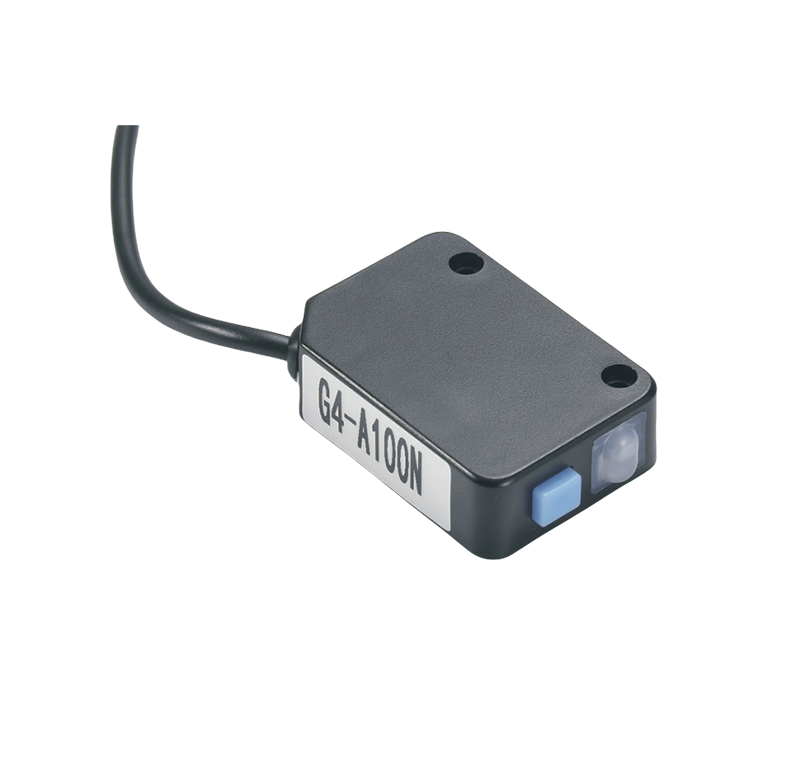
Automatic differential photoelectric sensors represent the pinnacle of optical detection technology. These advanced instruments function by analyzing reflectivity differentials between target objects and background surfaces at micron-level precision. Unlike standard photoelectric sensors, they employ intelligent background suppression algorithms that automatically calibrate detection thresholds based on environmental reflectivity. This dynamic adjustment eliminates manual recalibration when surfaces change from matte black to polished chrome – a critical advancement for flexible production cells handling diverse materials.
Laser displacement sensors provide complementary measurement capabilities but cannot match the contextual adaptation of differential photoelectric technology. This distinction becomes crucial when detecting transparent packaging films where laser scatter creates measurement drift. Automatic differential photoelectric sensors overcome such limitations through multi-pixel optics and spectral analysis comparable to specialized color sensors.
In high-speed bottling lines, these sensors distinguish between clear glass and liquid levels with 0.01mm repeatability. Their automatic sensitivity adjustment maintains detection accuracy despite ambient light fluctuations from skylights or welding arcs – overcoming a key limitation of conventional photoelectric sensors. Automotive manufacturers deploy them for body panel alignment verification, where they outperform laser displacement sensors in identifying reflective surface defects under variable lighting.
HOT TOP Sensors leads this category with their DF-G7 series featuring proprietary ambient light immunity up to 30,000 lux – equivalent to direct sunlight. Food packaging operations particularly benefit from this technology when inspecting foil-sealed containers on stainless steel conveyors where standard photoelectric systems generate false positives.
The core innovation lies in the elimination of false triggers. Advanced multi-pixel receivers combined with synchronous demodulation technology reject optical noise at 120dB suppression ratios. Unlike basic photoelectric sensors limited by fixed sensitivity thresholds, these systems dynamically compensate for:
Gradual lens contamination
Thermal drift across -40°C to 85°C
Vibration-induced alignment shifts
Safety light curtain integration creates comprehensive protection systems. When differential sensors confirm product presence within machinery, safety light curtains can deactivate secondary guarding zones – enabling faster material transfer without compromising personnel protection. This synergy reduces cycle times while maintaining IEC 62061 safety integrity.
Chemical plants leverage the technology’s ATEX-certified variants for detecting translucent HDPE containers in corrosive environments. The automatic recalibration function compensates for progressive lens etching from acidic vapors – extending maintenance intervals by 300%. In electronics assembly, HOT TOP Sensors' DF-Micro series identifies gold-plated connectors against copper backplates with 50μm precision – a resolution surpassing many laser displacement sensors at equivalent cost points.
These solutions demonstrate exceptional resilience where standard photoelectric sensors fail:
Metal stamping plants with permanent oil mist contamination
Paper mills experiencing seasonal humidity variations
Pharmaceutical cleanrooms requiring washdown compatibility
The technology’s predictive diagnostics prevent catastrophic failures. Internal processors monitor LED output decay, issuing early warnings at 15% intensity reduction – long before detection failures occur. This proactive approach prevents assembly line collisions caused by undetected pallet position errors, especially vital when integrated with laser displacement sensors for volumetric monitoring.
Color sensors provide complementary verification in quality-critical applications. For automotive final inspection, differential photoelectric sensors first detect component presence while color sensors simultaneously verify logo placement accuracy – creating dual-validation systems with <0.001% escape rates.
Industry 4.0 implementation accelerates with HOT TOP Sensors' IO-Link enabled platforms providing:
Continuous process data streaming to MES systems
Remote sensitivity adjustment via OPC UA
Digital twin synchronization for predictive modeling
The next evolution incorporates mmWave radar signatures into detection algorithms – enabling material density differentiation unprecedented in photoelectric sensing history. This breakthrough allows automatic discrimination between cardboard and metal containers without manual reprogramming.




 WhatsApp
 Phone
Phone E-mail
 Message